



RKO 2026
SUMMARY
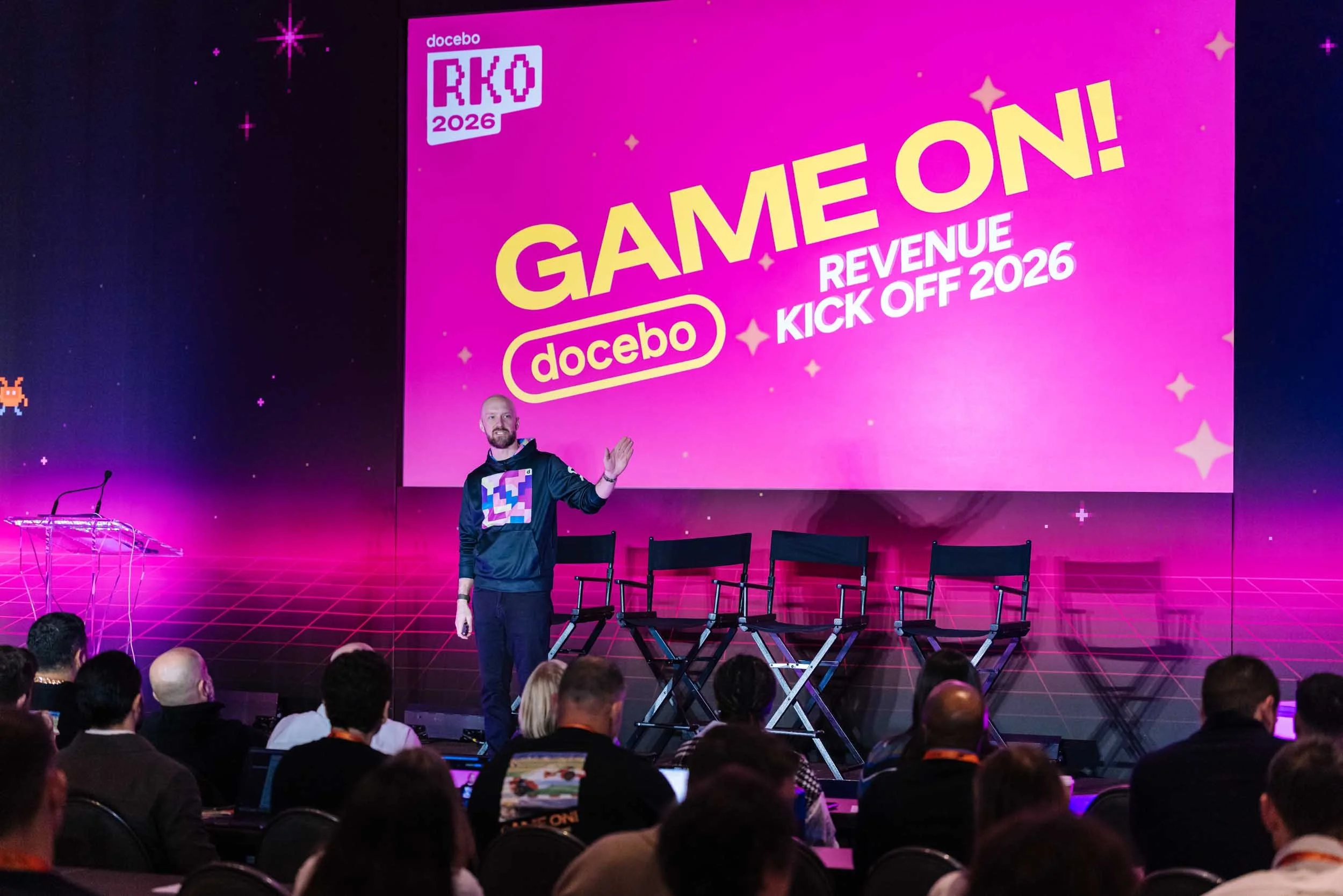
Docebo needed to transform their annual internal kickoff event - RKO 2026 - into an immersive retro video game experience that would energise their global team, reinforce culture, and create memorable moments across both digital and physical touchpoints.
This wasn't a traditional corporate event. It needed to feel playful and high-energy, while still holding up professionally for an enterprise SaaS company with over 1,000 employees.
Outcome
We delivered a cohesive retro arcade-themed event system spanning presentation templates, digital event platforms, physical signage, interactive installations, and branded swag.
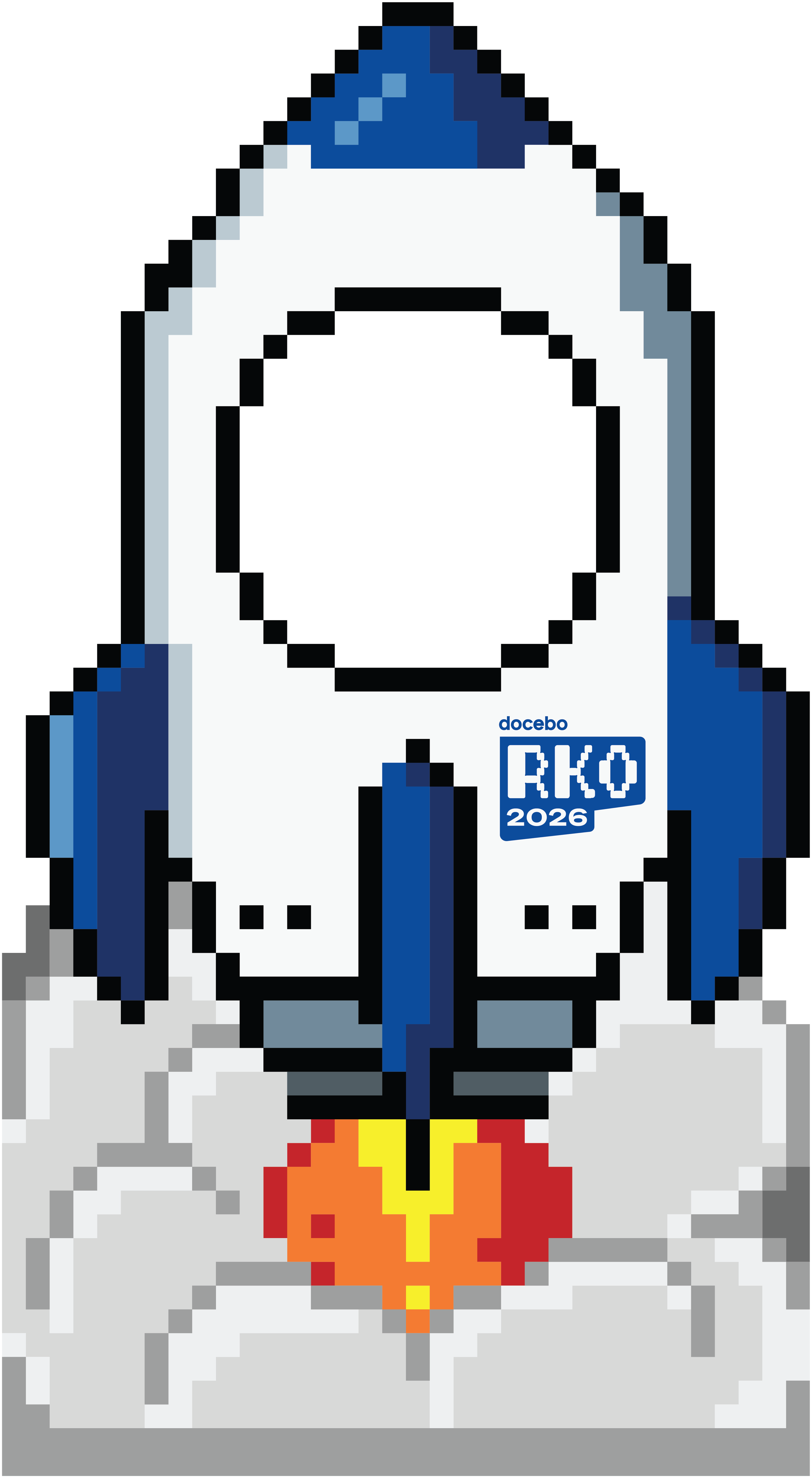
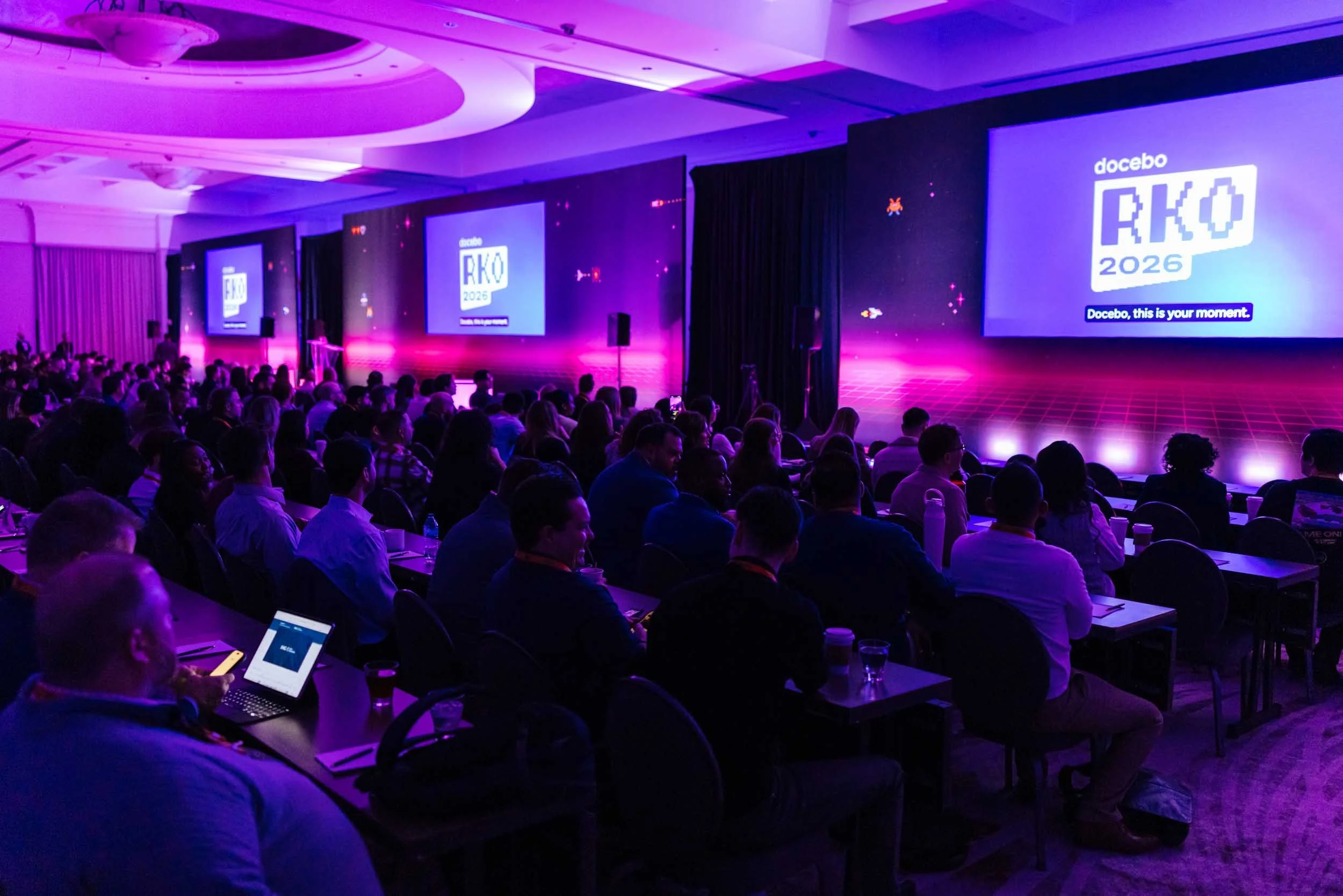
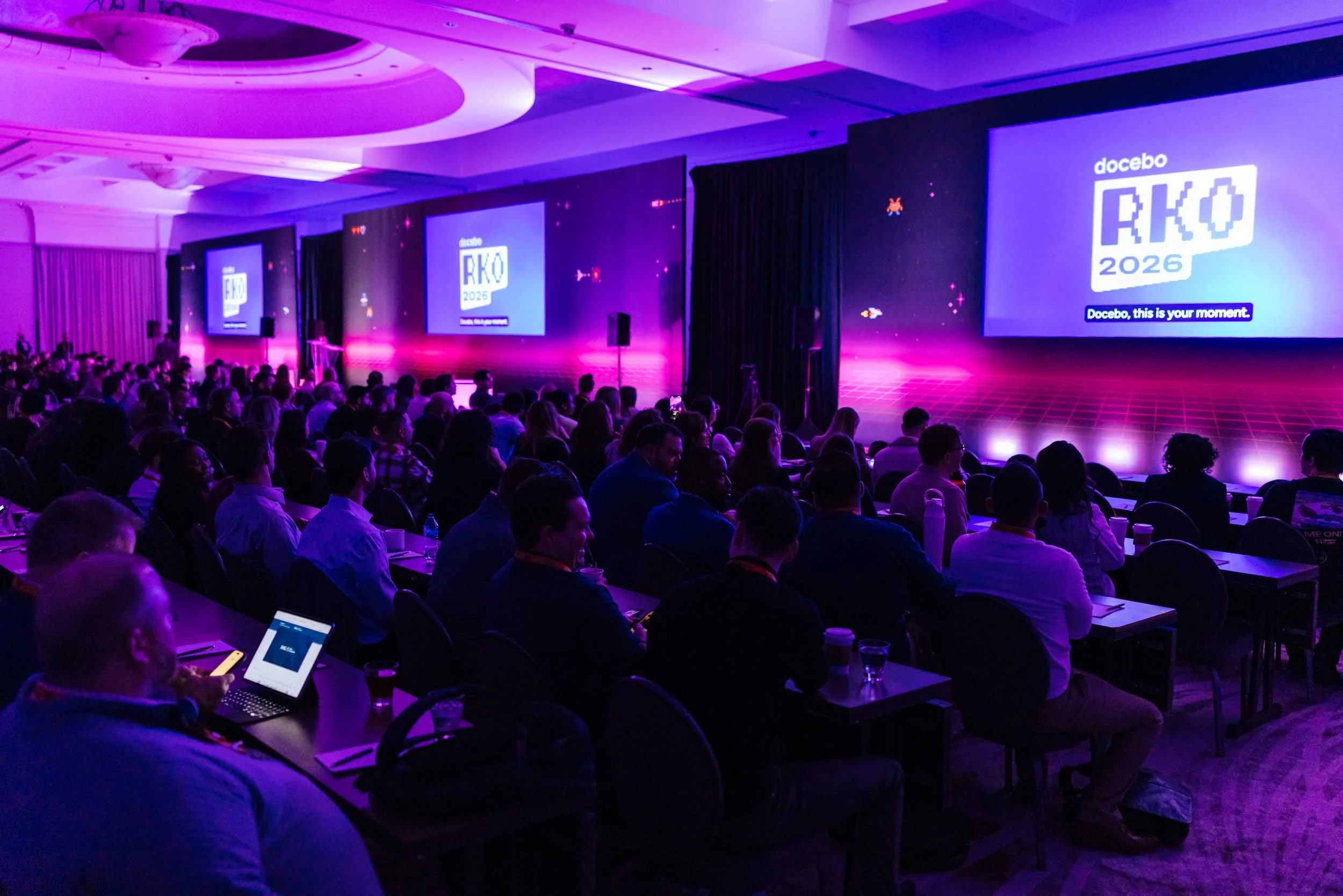
The visual language - pixelated UI elements, bold game-inspired illustrations, and zoned environments (Space, Underworld and Enchanted Forest) - created a consistent thread across every attendee interaction, from pre-event registration through to on-site wayfinding and photo moments.
Impact
RKO 2026 gave Docebo's internal teams a shared visual language and production-ready toolkit that scaled across digital and physical applications — all while maintaining a fun, distinctive look that reinforced the event's energy.
The system empowered presenters to create on-brand slides quickly, helped attendees navigate a complex venue intuitively, and created Instagram-worthy moments that extended the event's reach beyond the venue.
Services
Event brand design & creative direction
Presentation template design (Google Slides)
Digital event platform styling (Cvent)
Environmental graphics & wayfinding
Interactive installation
Swag & merchandise
Collaborators
Manny Gonzalez (Creative Director, Docebo)
Rachel Kochany (Marketing Designer, Docebo)
Limor Baum (Event Management, Docebo)
Hamish Ryde (Design Director, Studio Squeeze)
Suzie Armstrong (Production Designer, Studio Squeeze)
Maddie Miller (Production & Installation, PresenTech)
Overview
Docebo runs annual regional kickoff events (RKO) to align internal teams, celebrate wins, and set the tone for the year ahead. These events bring together employees from across the business - product, sales, marketing, customer success - often travelling from different offices and time zones.
By 2026, Docebo had scaled significantly. The company had gone public, the team had grown past 1,000 people, and expectations for internal events had risen. Previous RKO events had been functional, but there was an opportunity to make them more distinctive and memorable, especially as the company's brand was evolving through Project Phoenix.
We'd been working closely with Manny Gonzalez and the Docebo creative team as an embedded design partner, supporting everything from campaign assets to brand system development. That relationship meant we understood the internal culture, the visual direction, and how to move quickly when needed.
The context for RKO 2026 was timing and ambition. Docebo wanted to create an event that felt different - more immersive, more energising, more shareable - without losing the professionalism expected of an enterprise company.

brief
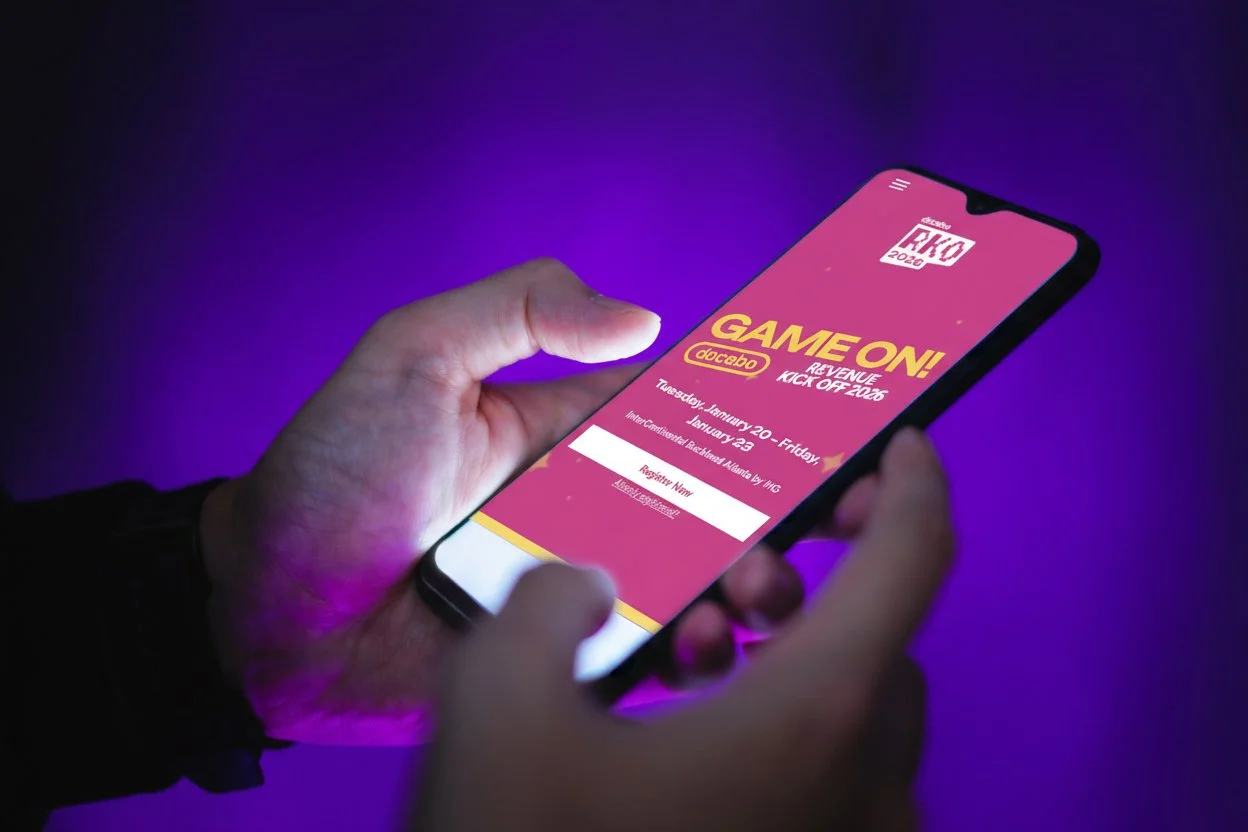
The brief came in with a clear creative anchor: retro video games. The theme was "Game On," and Docebo wanted to lean into nostalgia - arcade aesthetics, pixelated graphics, classic game references - to create a high-energy, playful atmosphere.
But this wasn't just about making things look cool. The event had real functional needs:
Presentation templates that internal speakers could use and customise without design support
Digital event platform (Cvent Attendee Hub) that needed styling and content layout
Physical wayfinding across a complex multi-zone venue
Interactive moments that would encourage engagement and social sharing
Branded swag that reinforced the theme beyond the event
The challenge was creating a system that worked across all these applications - digital and physical, editable and production-ready - while maintaining a consistent retro game aesthetic that felt intentional, not tacky.
Timeline was tight. Multiple deliverables needed to be designed, reviewed, produced, and installed within a compressed window, and some assets (like the slide templates) needed to be ready early so presenters could start building their content.
Process
Define the visual language and set constraints
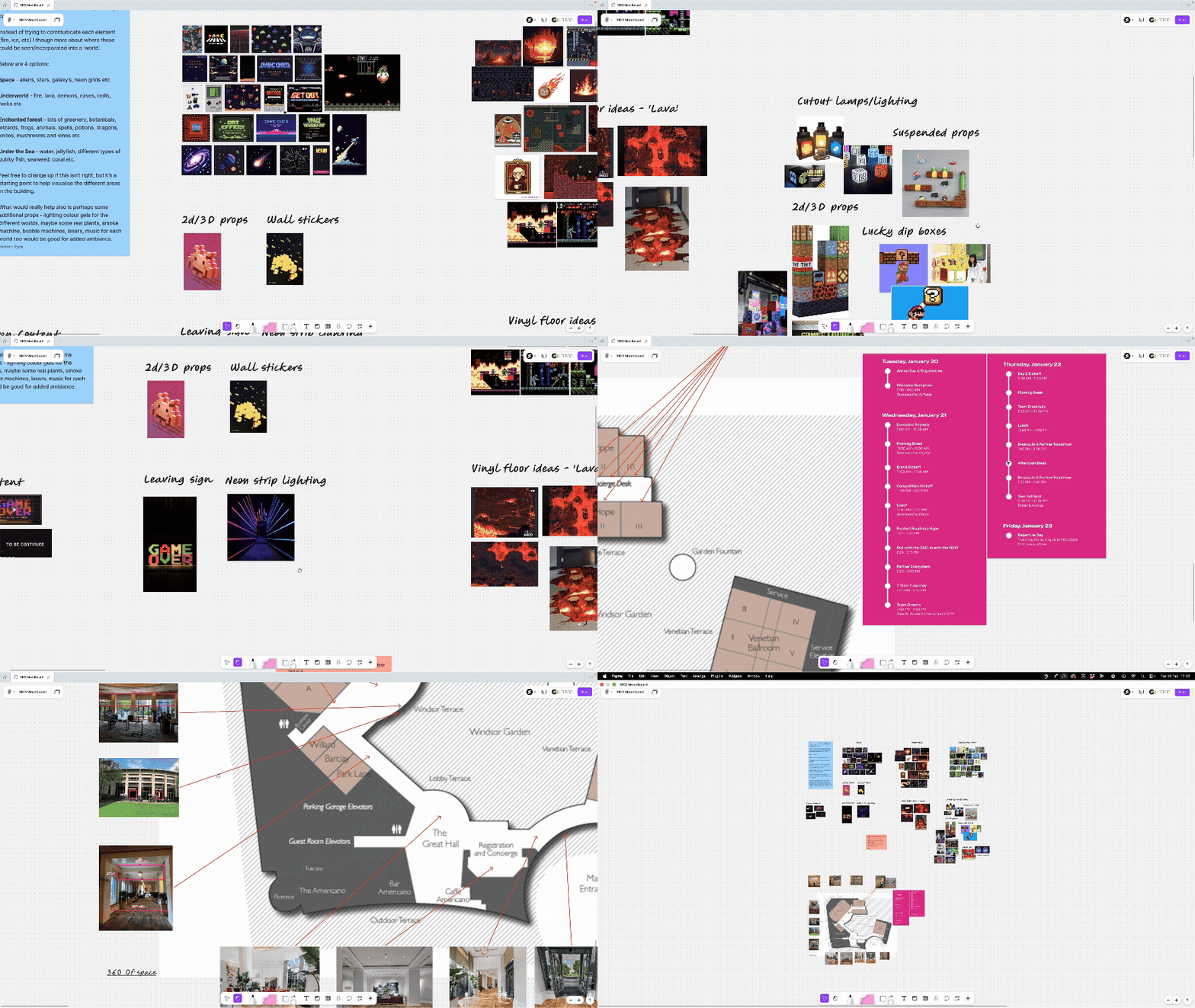
We started by establishing the core aesthetic principles: solid colours, pixelated UI elements, retro illustrations, and game-inspired textures. The goal was to create something that felt like a video game without becoming a literal pastiche.
We built a Figma mood board to pressure-test different directions and align with Manny on what would work across both digital and physical applications. This step prevented scope creep and gave us clear guardrails.
Prioritise based on dependencies
Some deliverables unlocked others. The slide template needed to be finished first so presenters could start building content. The Cvent styling needed to align with the slides. The physical signage needed to reference the digital aesthetic.
We mapped out the sequence and identified which assets could run in parallel (swag design, wayfinding concepts) versus which needed sequential approval (templates first, then applications).
Design for editability and scale
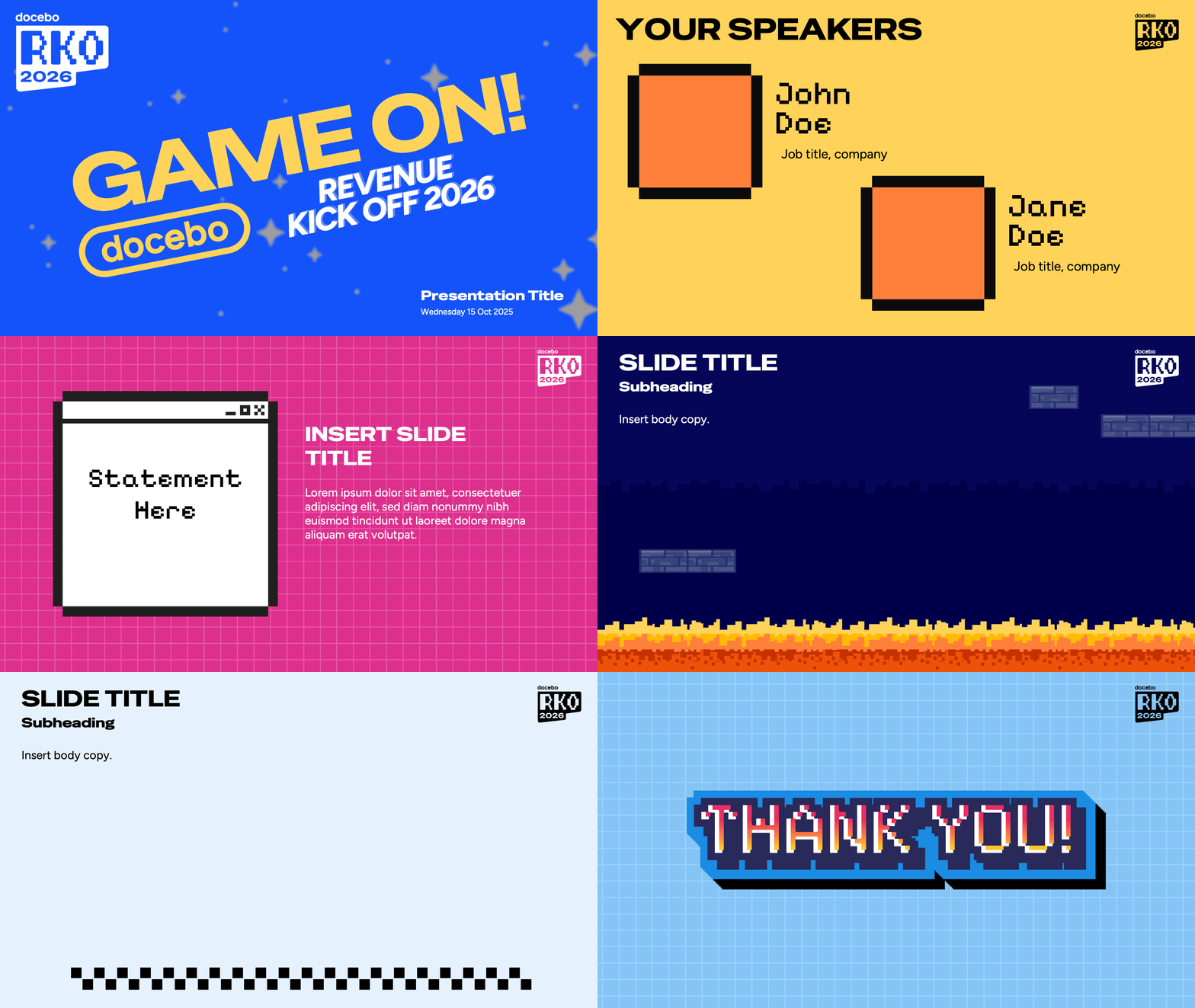
The slide template was the highest-leverage deliverable. It needed to look great and be simple enough for non-designers to use. We created modular layouts with multiple cover options, speaker intro variations, and pre-designed backgrounds that could be swapped or customised.
We designed in PowerPoint first (more features, easier for the team), then converted to Google Slides. The template included updated theme styles so changes to fonts and colours would cascade correctly.
Create themed zones for the physical space
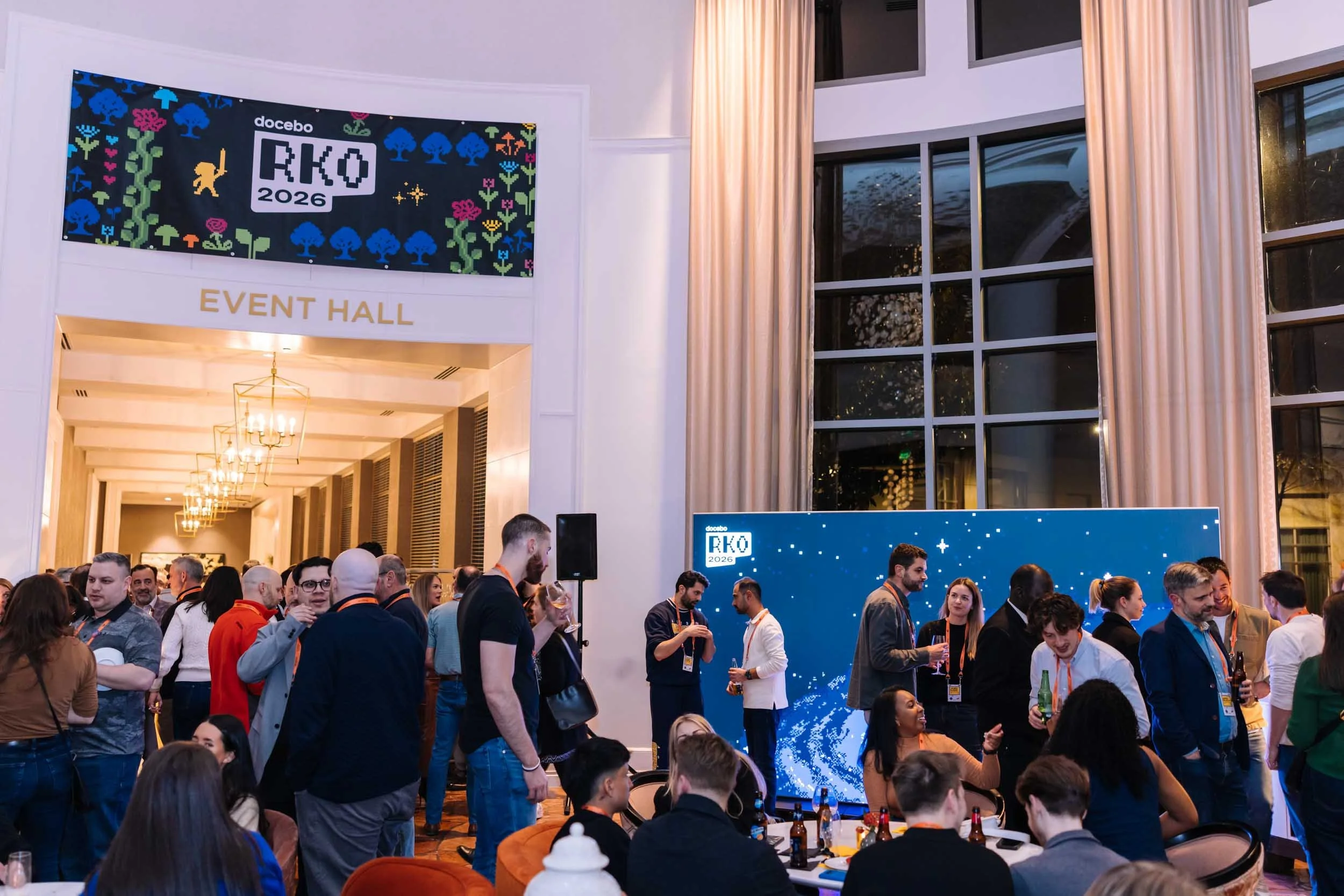
For the venue, we proposed dividing the space into three themed zones - Space, Underworld and Enchanted Forest - each with coordinated floor graphics, vinyl banners, and interactive photo cutouts. This created visual variety while maintaining a unified retro game thread.
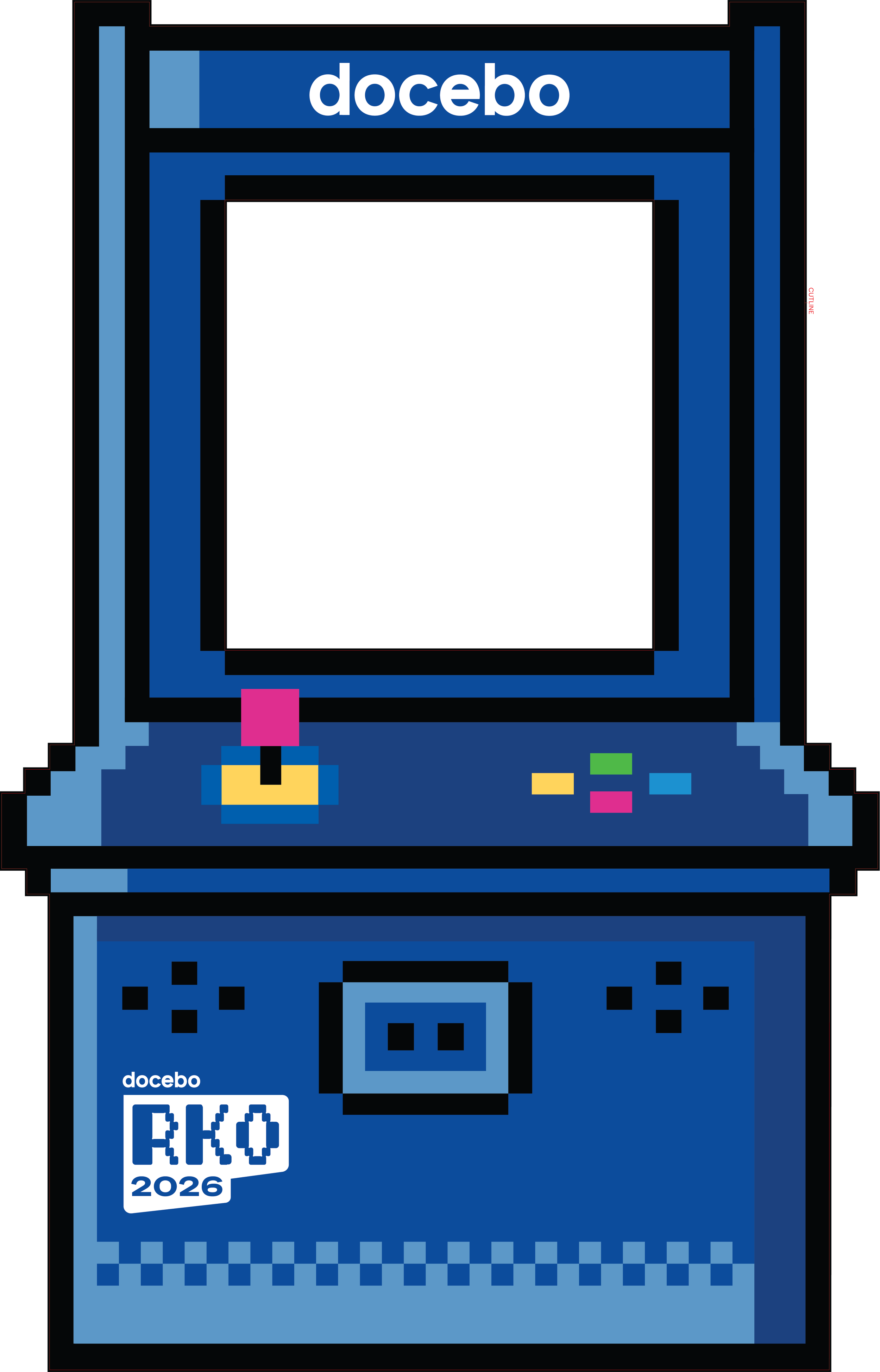
We worked closely with PresenTech (the production vendor) to ensure designs met technical specs for printing, mounting, and installation. Things like bleed requirements, cut lines for floor graphics, and proportions for Mighty mount photo cutouts mattered - getting them wrong would mean delays or reprints.
Coordinate across digital and physical production timelines
Digital assets moved faster. Physical assets had longer lead times for printing and shipping. We staggered delivery to keep the project moving: templates and Cvent styling first, then interactive cutouts (early submission for fabrication), then remaining signage and swag.
Suzie Armstrong handled most of the physical asset production, which allowed us to parallelise work and hit aggressive deadlines without bottlenecks.

Outcome
We delivered a complete RKO 2026 event system that worked across every touchpoint:
Digital:
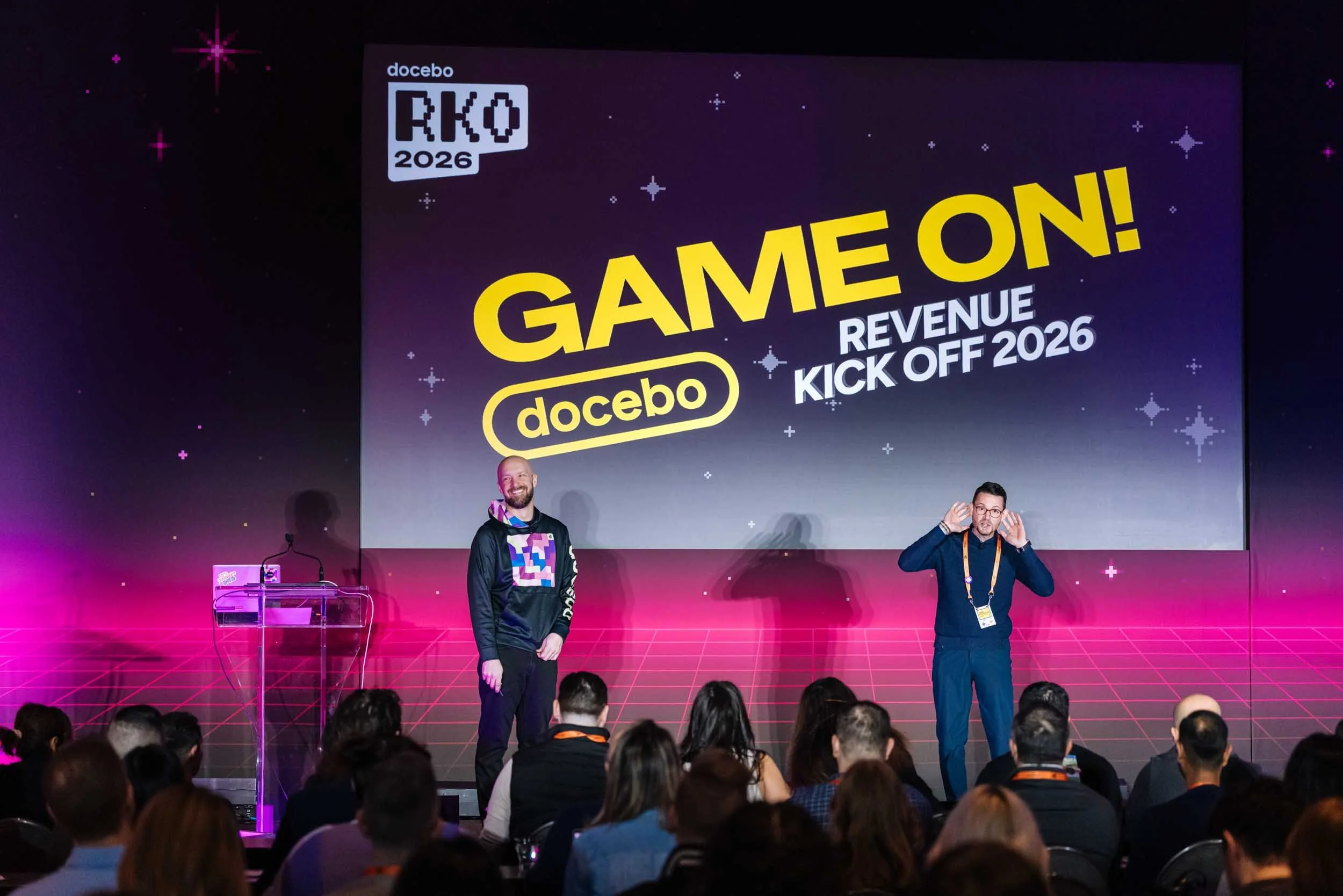
Google Slides template with 15+ slide variations (covers, speaker intros, multi-column layouts, stat slides) and editable theme elements
Cvent Attendee Hub with custom styling, navigation, and content layout aligned to the retro game aesthetic
Social media graphics for pre-event promotion and live event sharing
Physical:
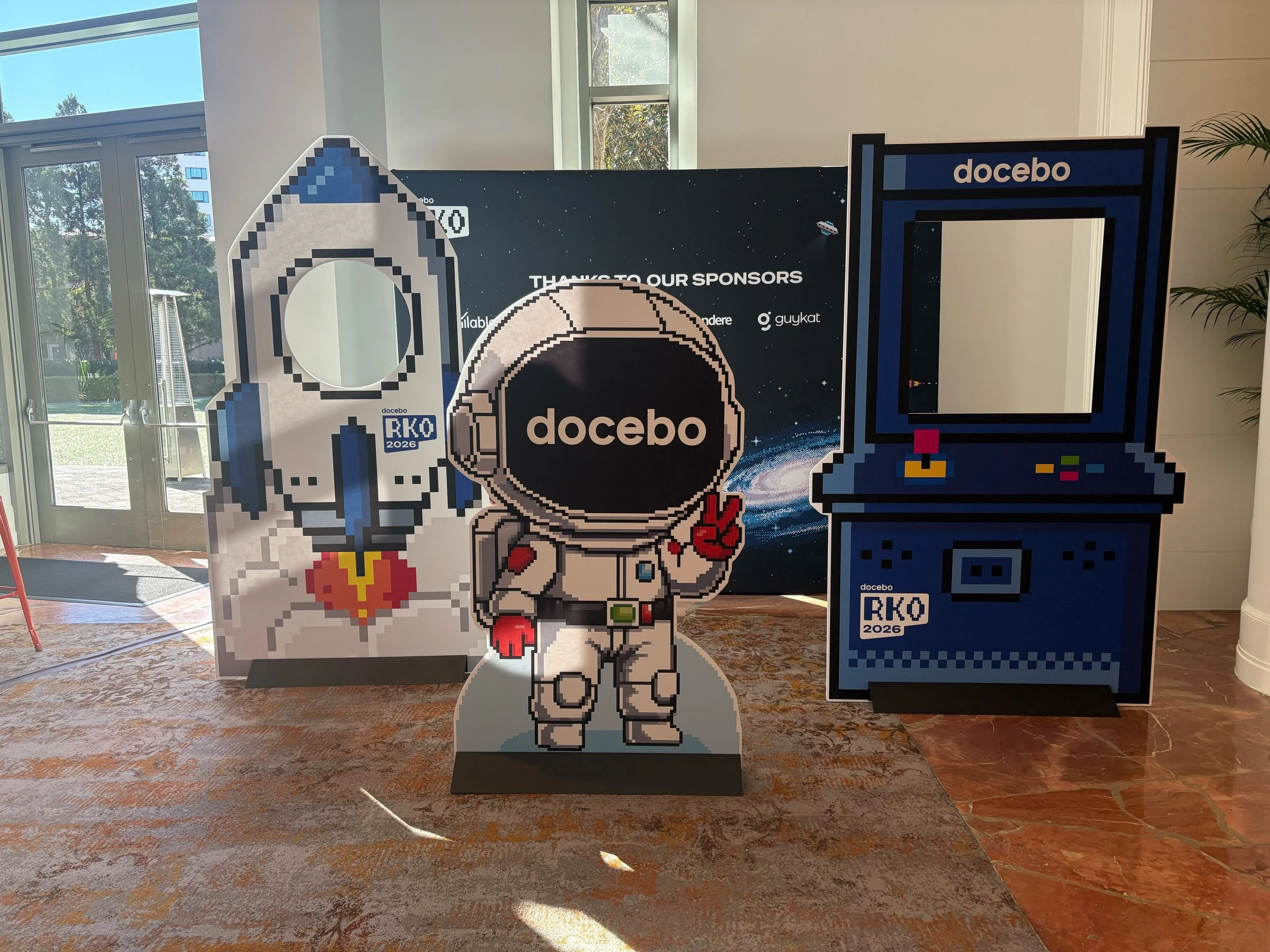
Interactive photo cutouts featuring AI-generated retro game characters (36"×48", fabricated on Mighty mount bases)
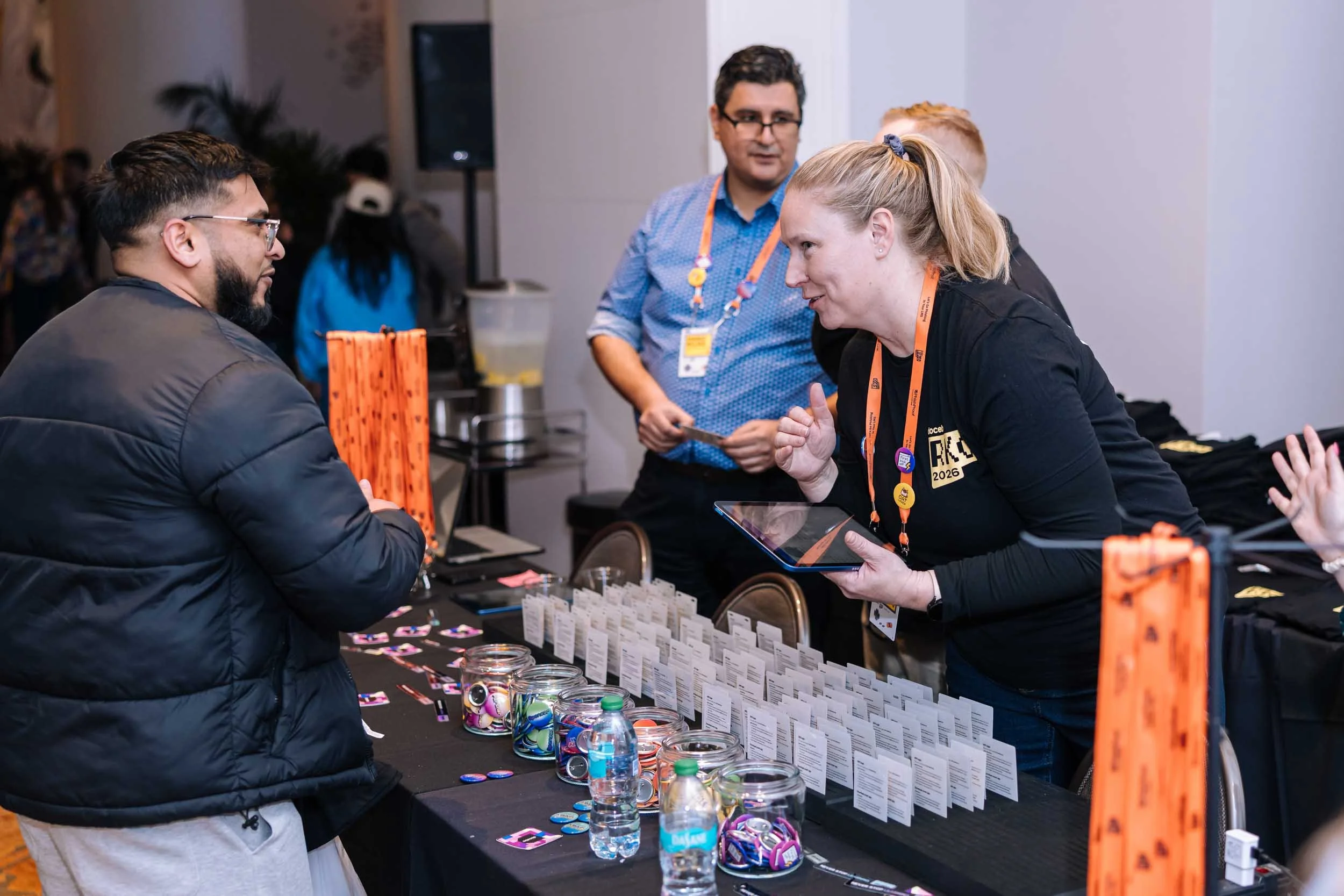
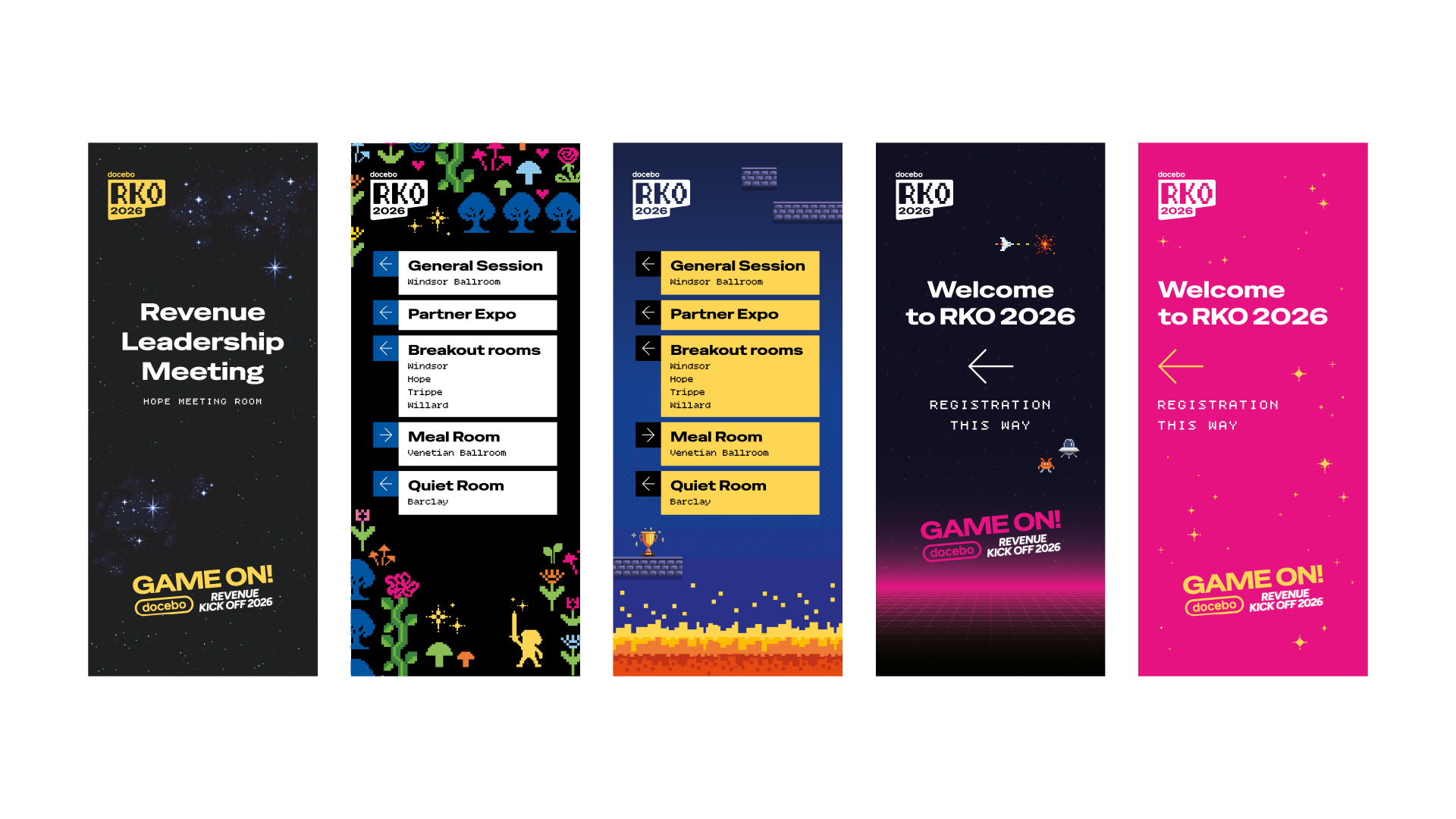
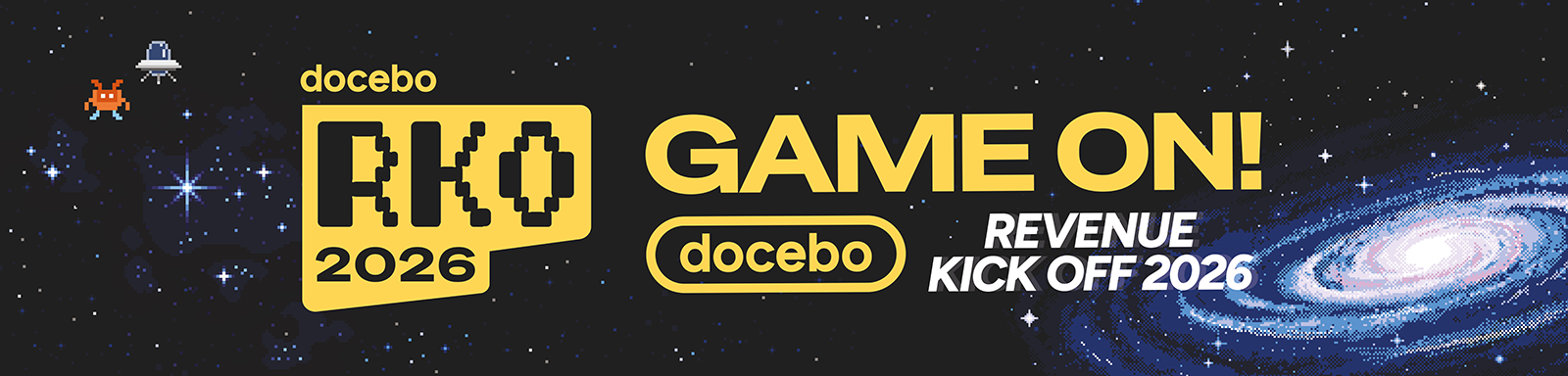
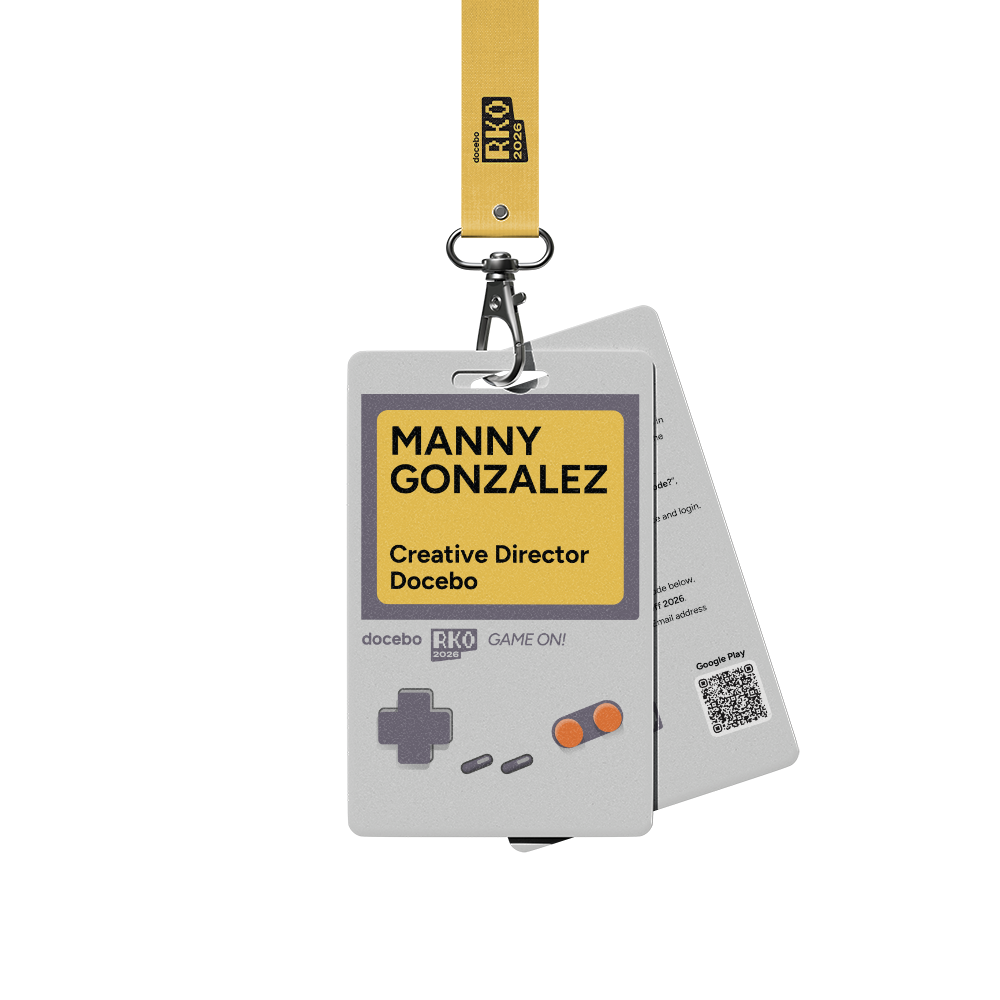
Environmental graphics including floor decals, vinyl banners for doorways and windows, elevator wraps, and registration desk graphics
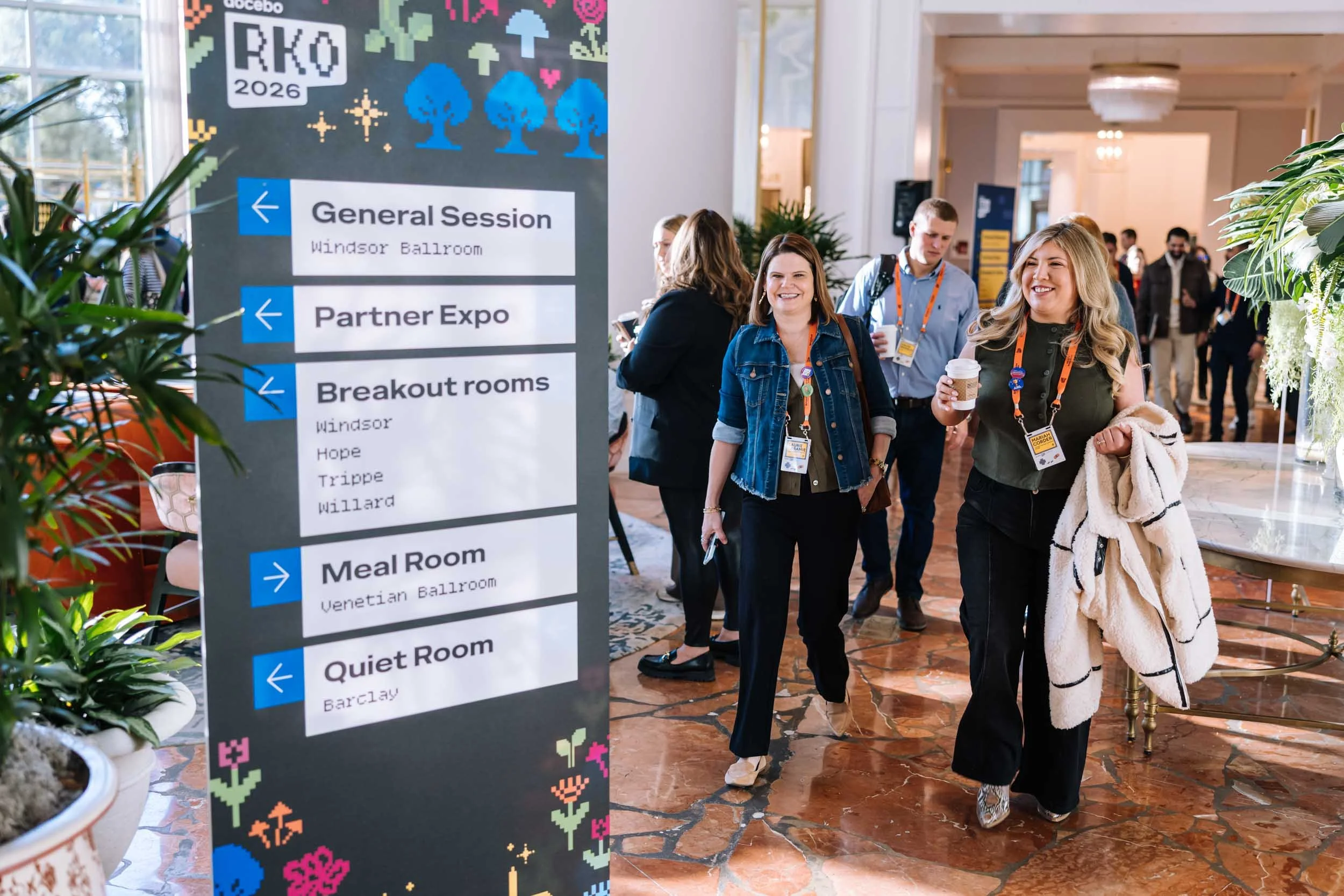
Wayfinding signage using pixelated directional elements and zone-specific colour coding
Photo wall (10ft EZ Tube backdrop) for branded photo moments
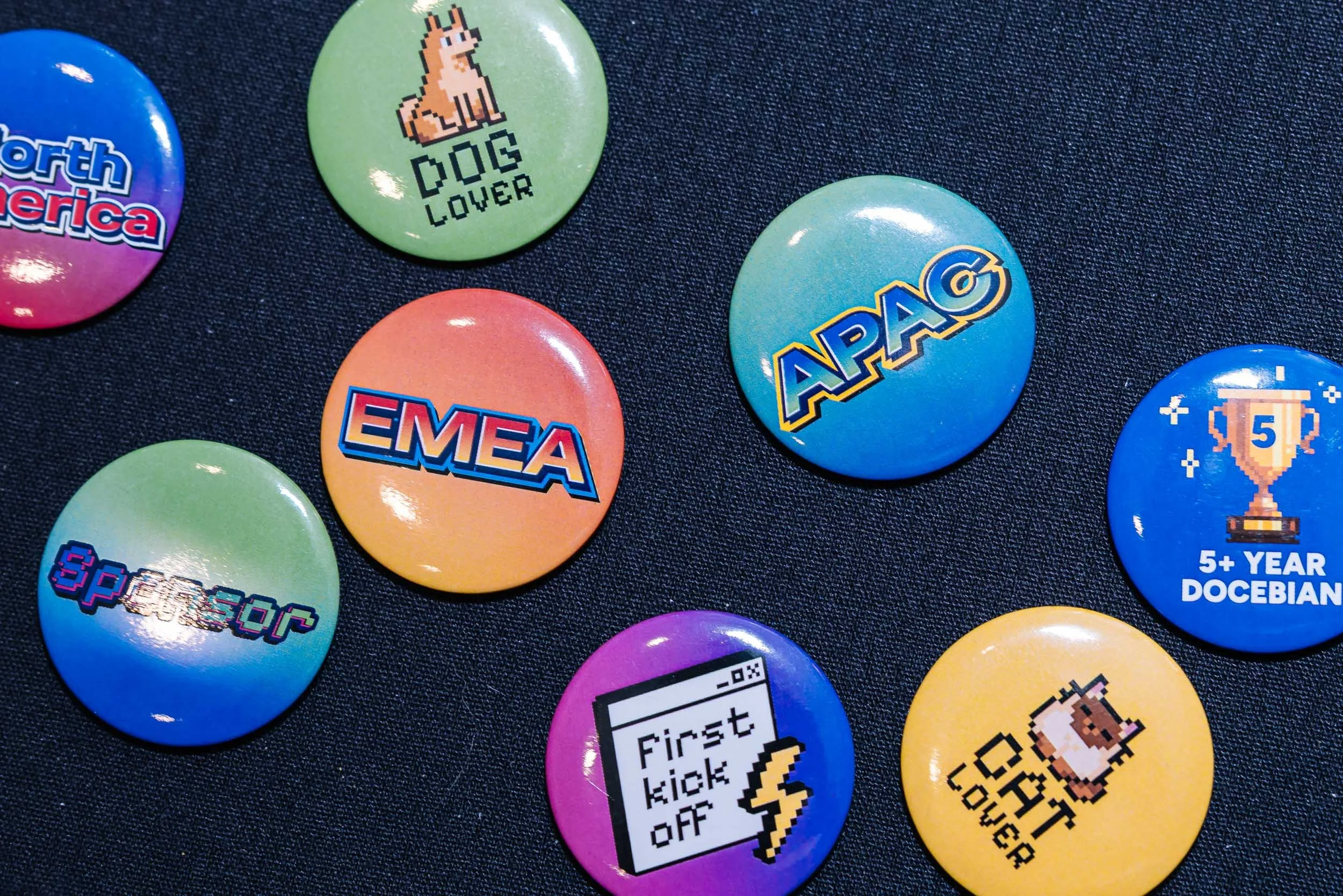
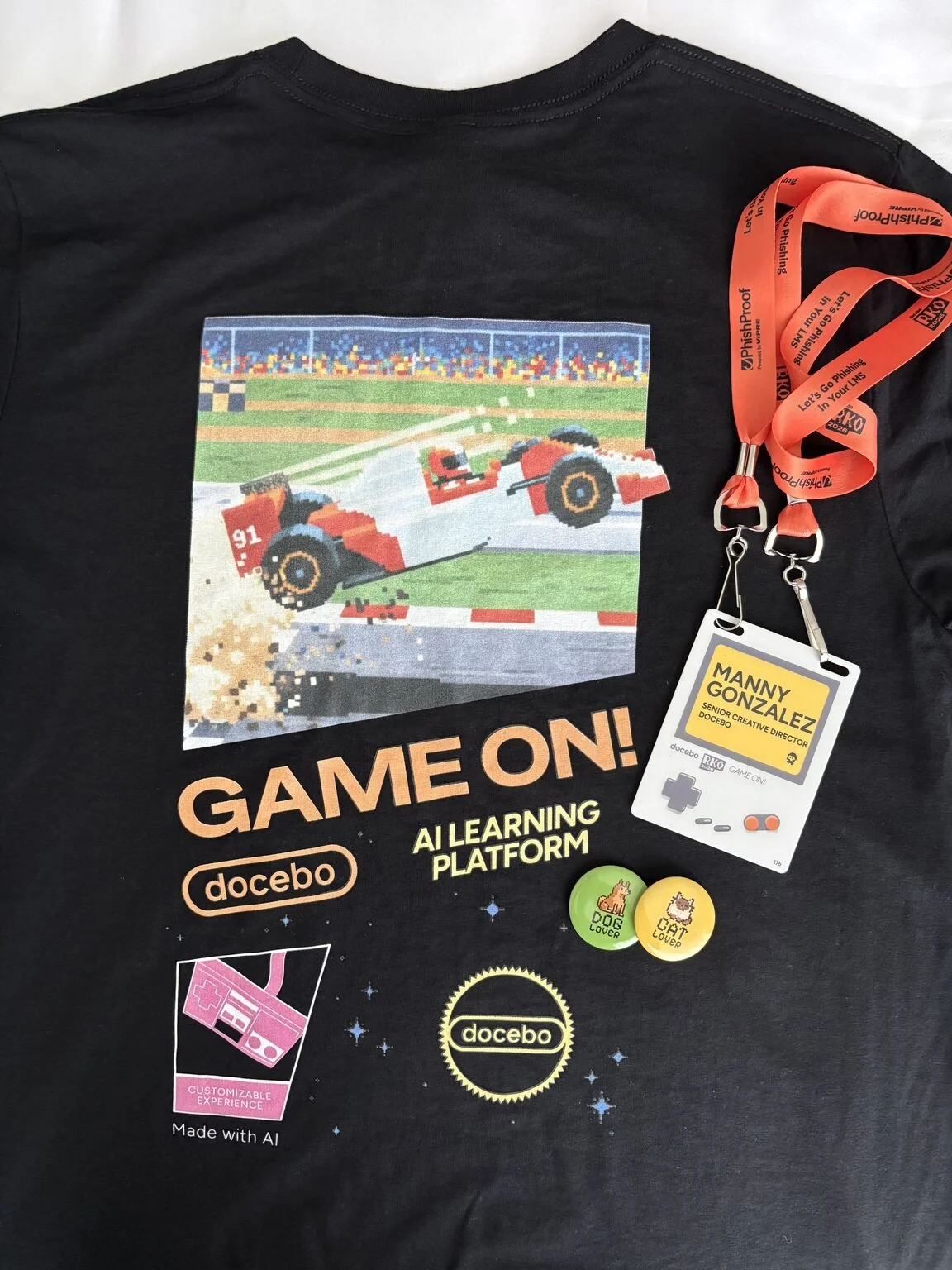
Branded swag including t-shirts, napkins, and pillows with retro game motifs
The system held together visually - whether someone was looking at a slide deck, walking through the venue, or posting a photo with a cutout, it all felt like part of the same intentional experience.
Impact
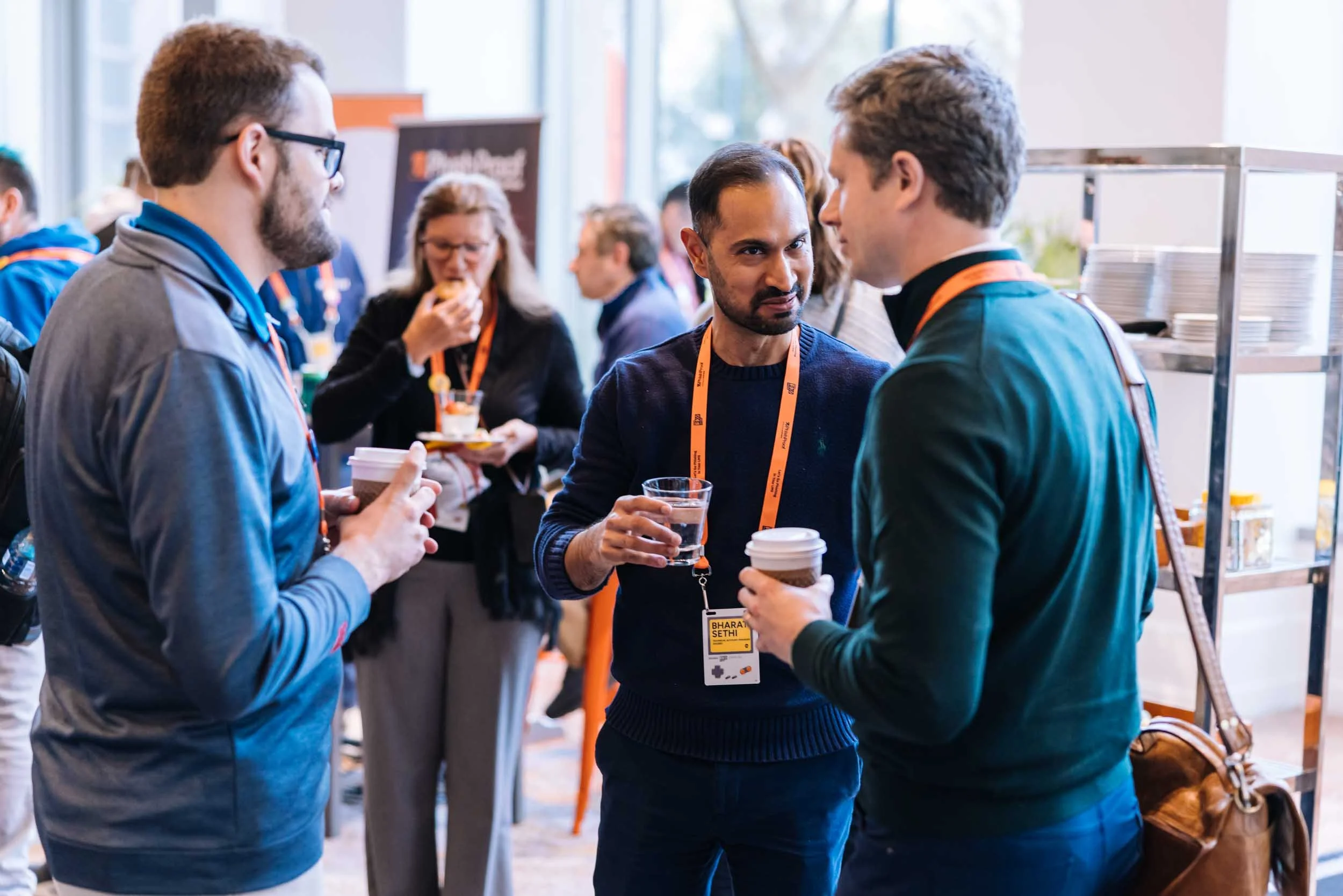
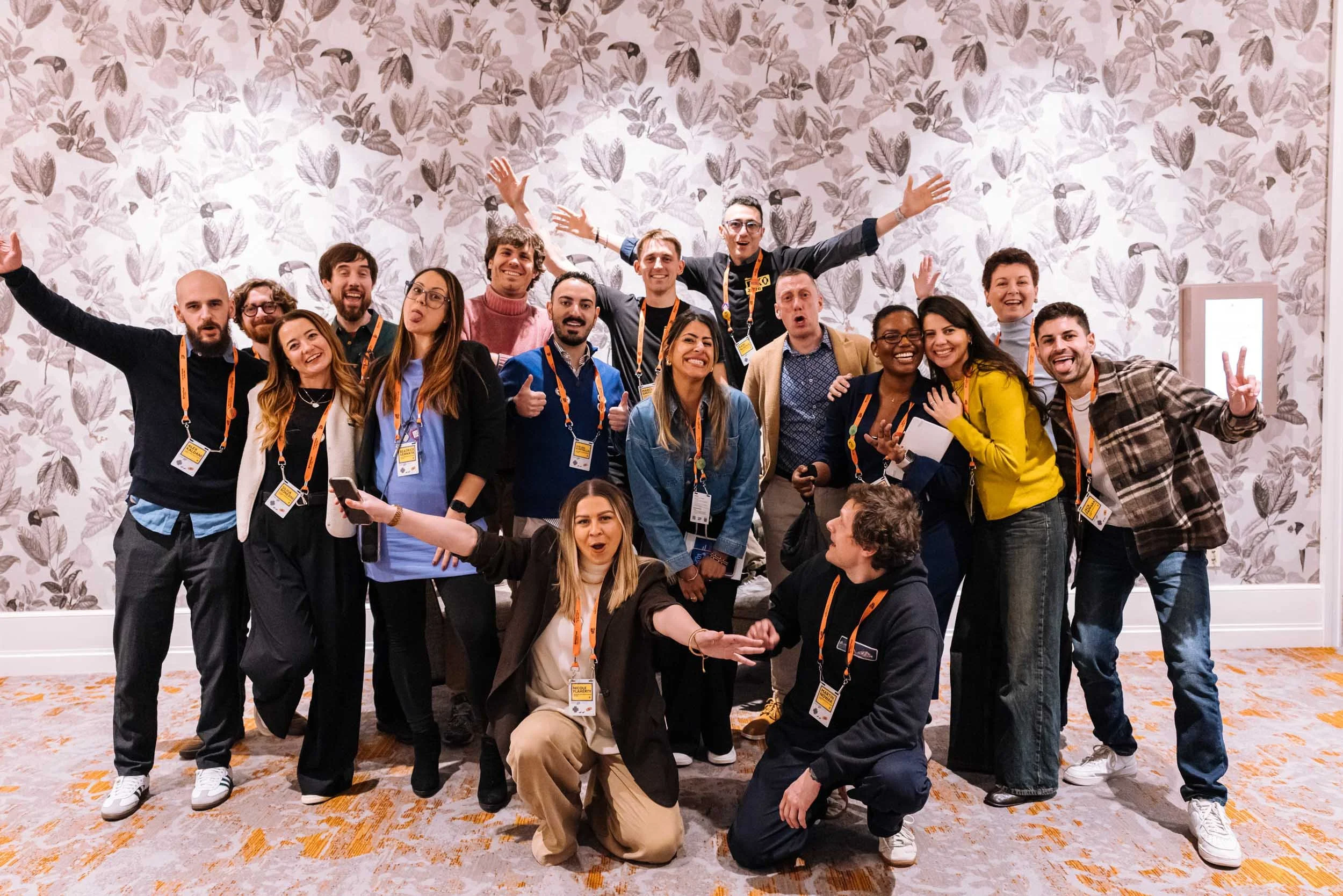
RKO 2026 gave Docebo an event that matched the energy and ambition of the company's growth. Instead of a generic corporate kickoff, they created a distinctive, memorable experience that reinforced culture and gave employees something to talk about (and photograph).
The creative execution exceeded expectations. Attendees described it as having "Disney level attention to detail" and noted that "everything was on point." Manny Gonzalez, Docebo's Creative Director, shared: "We went full on retro, 90's video game theme, from scenic to motion graphics to keynote presentation slides. We leaned into it hard and it paid off. It looks so good!"
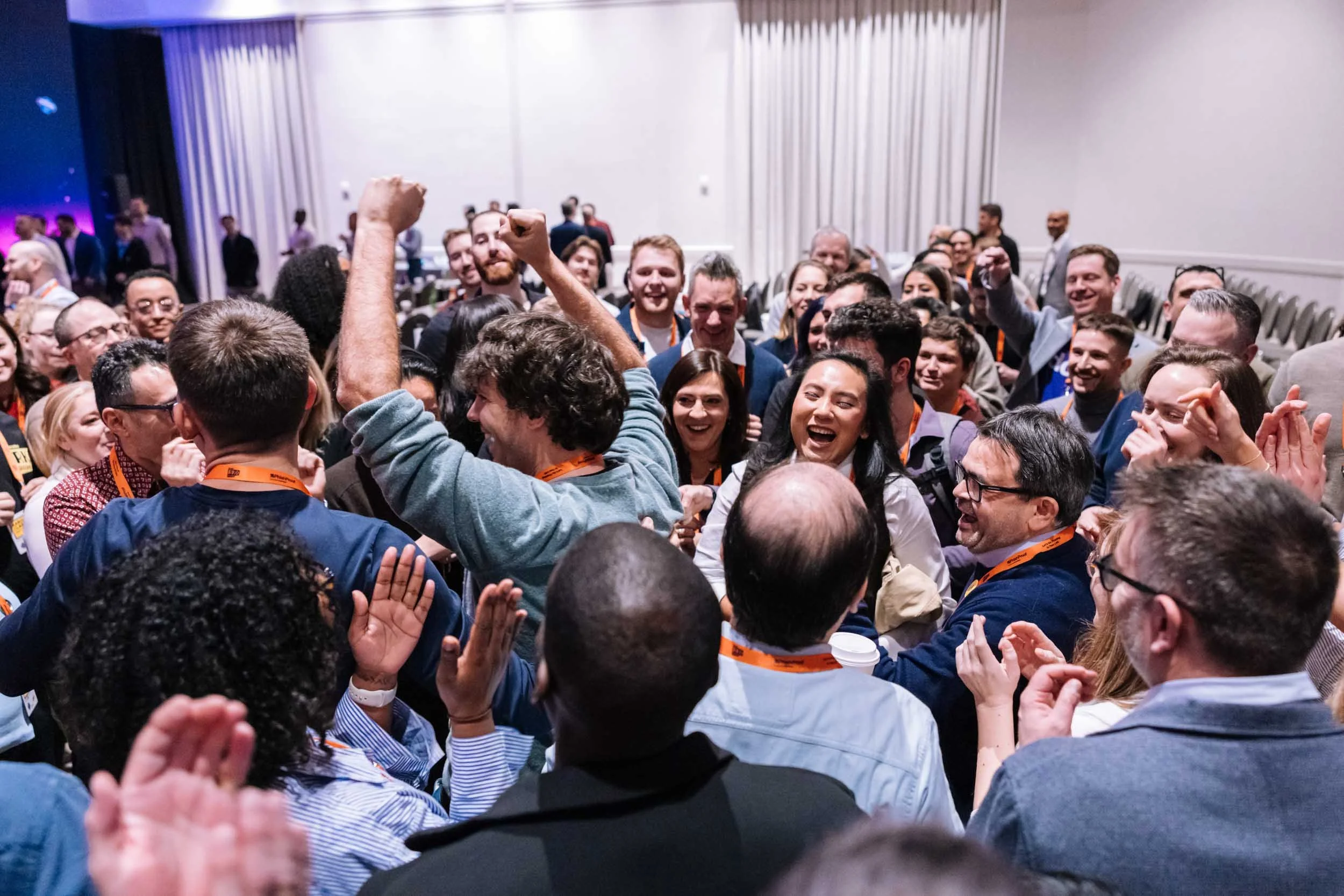
The event successfully aligned and energized over 1,000 employees across revenue and marketing teams during a critical period. Kyle Lacy, Docebo's CMO, noted: "I dare you to find a team that can pull off a new brand launch, an acquisition, and RKO over three weeks." Attendees consistently described feeling "inspired, aligned, and ready to build" after the event.
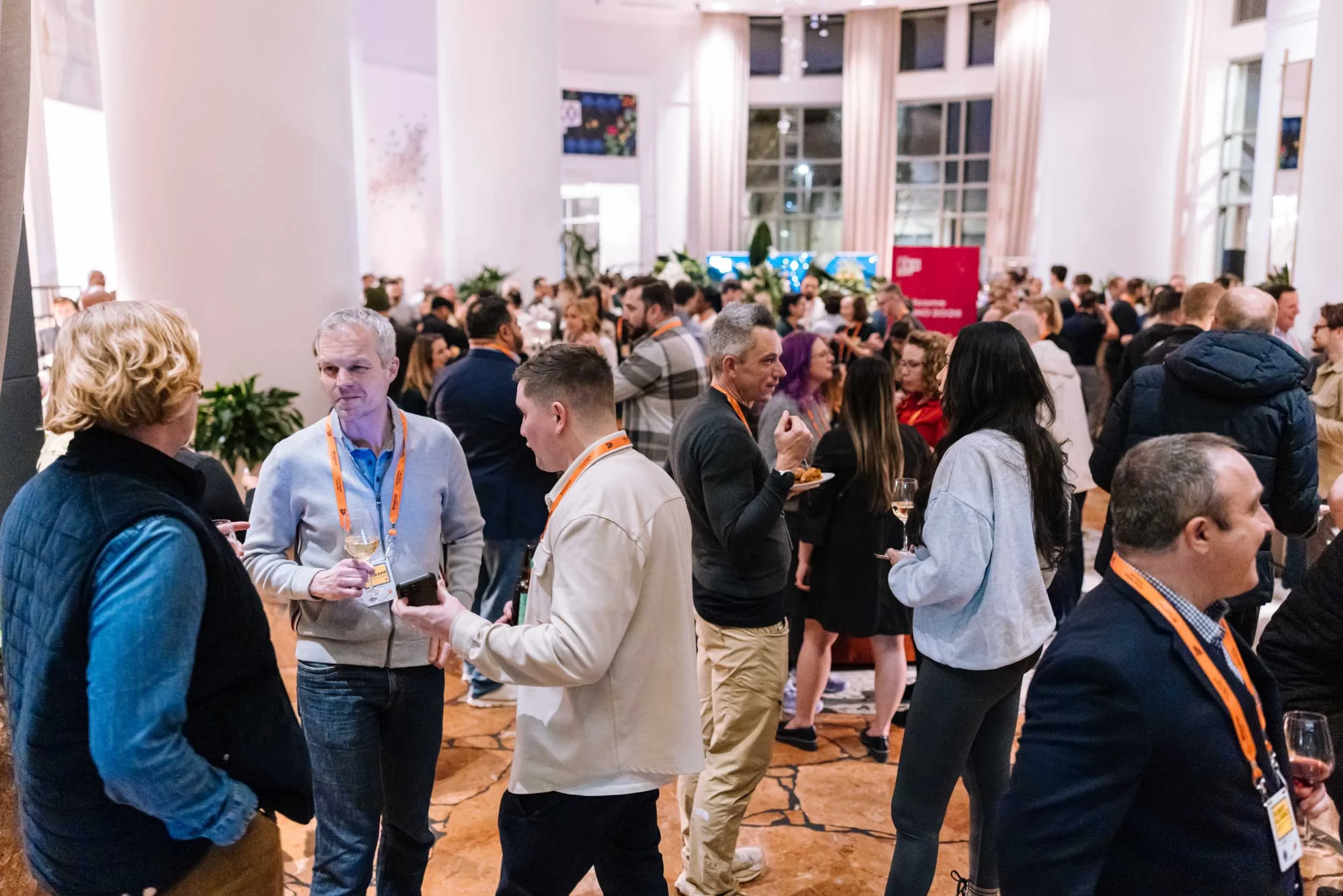
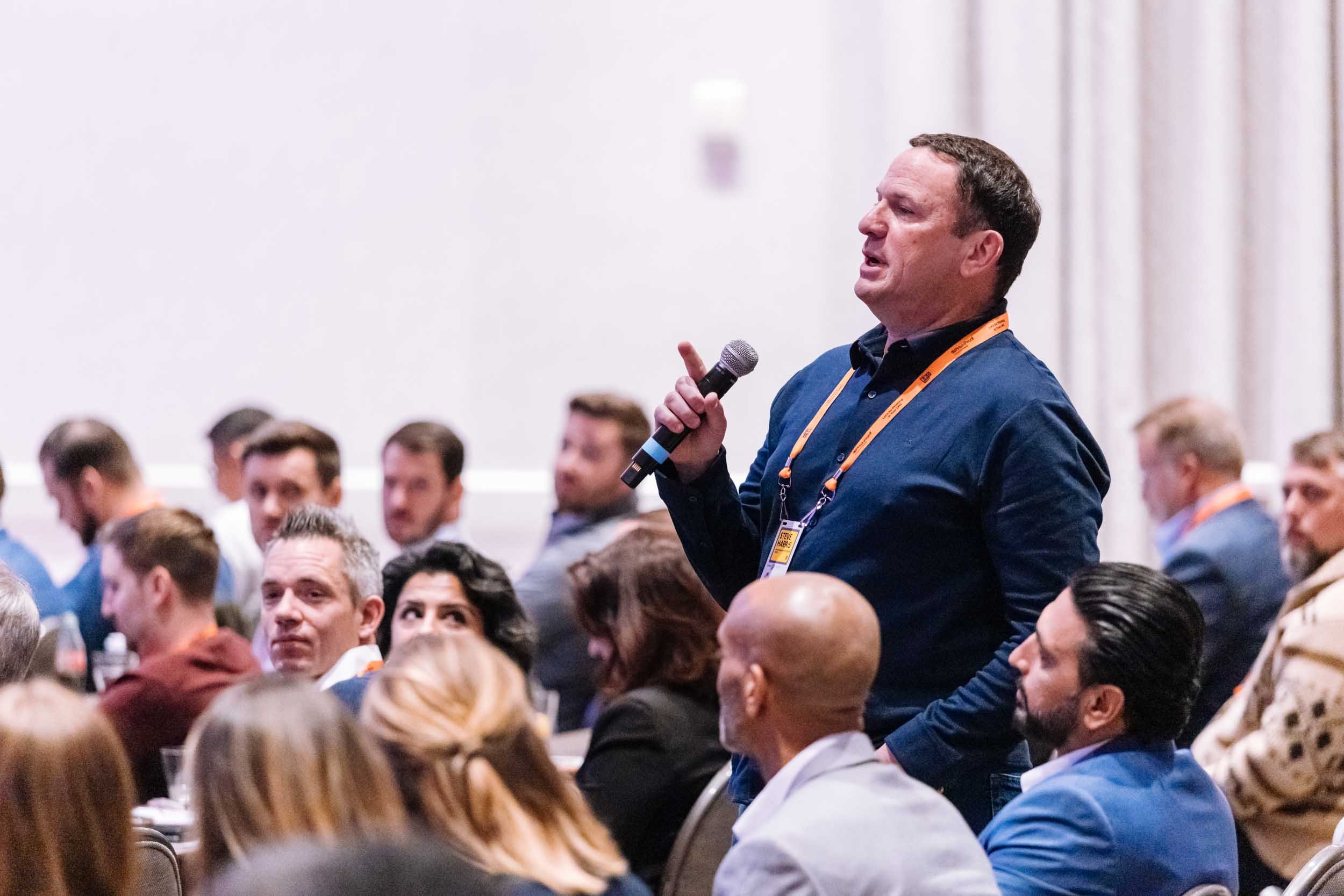
The immersive experience created genuine engagement. The themed zones, interactive photo cutouts, and cohesive visual system transformed the InterContinental Buckhead Atlanta into an environment where "people walk into a space that feels intentional and well-designed, they engage differently. Energy rises without anyone having to manufacture it."
The slide template empowered presenters across the company to create professional, on-brand content without needing design support - reducing bottlenecks and ensuring consistency across 20+ presentations.
The event reinforced internal culture at scale. As Lacy emphasized in his reflection on the event: "Internal events shape culture faster than most of us realise. When they are treated with care, people will love you for it." Attendees described the experience as a "powerful reminder of why this group is so special" with "creativity, trust, and shared obsession with impact."
Most importantly, the system was repeatable. Docebo could use elements of the RKO visual language for future internal events, and the process we established - mood boards, modular templates, production coordination - became a template for how to approach similar projects under tight timelines.
What our client said:
"RKO was a significant lift for an agency, let alone a small in-house team with competing priorities beyond our company rebrand. Studio Squeeze jumped in when we needed support and became a true extension of our team - contributing not just in production but in strategy as well.”
“What stands out is how quickly they understood what we were doing and turned things around. Very few revisions, clear communication, and they never showed frustration even when reviews on our side were delayed. Stakeholders across the team, including project managers, had positive things to say because they executed effectively and kept things moving.”
“Frankly, without Hamish and his team, I don't think RKO would have been possible. If you want a studio that delivers, delivers quickly, delivers well, and you can rely on, hire Studio Squeeze."
Manny Gonzalez, Creative Director
Docebo